


This story is bigger than sport
This weekend in Las Vegas, the Enhanced Games were held, attracting worldwide media attention and reigniting debate about the ethics of the so-called “doping Olympics”, where athletes are encouraged to prioritise prize money over personal risk.
Now, call me a nerdy pharmacist if you will, but I think that might be missing the point. The wellbeing of athletes on six figure salaries with Enhanced and the impact it might have on elite sports is a valid concern, sure, but I’m more interested in what this tells us about the future of pharmaceutical marketing. Because that’s what this whole thing is, really – one expensive, albeit genius, marketing strategy.
Look, if James Magnussen wants to try and extend his athletic career a bit longer by taking various substances, I don’t really have a problem with that. What I do have a problem with is how this is rebranding performance enhancing substances as “wellness” products, reshaping how people perceive pharmaceutical risk, safety, and legitimacy.
On what evidence do I have to make such claims?
Well, dear reader, let’s just take a look at their website, shall we?
Pharmaceutical enhancement has had a rebrand
Now, I don’t mean to promote any of these websites – goodness knows, the media is promoting Enhanced enough as it is – but it’s impossible to talk about this without giving some concrete examples. So here we go.
At first glance, the Enhanced Games website doesn’t exactly scream “performance enhancing drugs.” But what do we see barely half a scroll down the page, flanked by photos of shirtless premium physical specimens and a band that is also trying to cling onto the nostalgia of when they were popular without being tied to performance enhancing drugs...ooh, it’s a link to the Enhanced shop.

And what do we find in that shop, but an array of pharmaceutical products, dressed up to the nines.
These products definitely don’t look like your average discount pharmacy. They’ve got testosterone, GLP-1As, ‘peptides’, ‘supplements’…oh, and tadalifil to help with ‘blood flow’...well yeah, it does do that.1
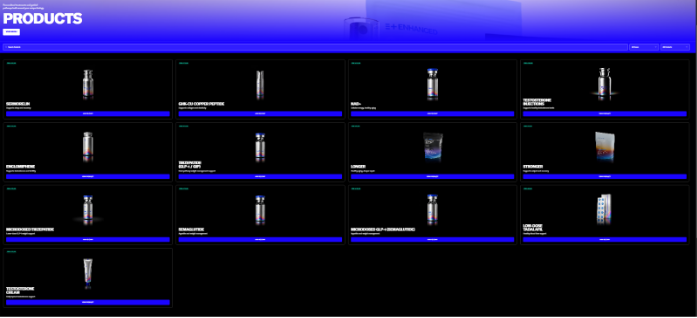
But it’s ok, because this is all scientific and backed by medical doctors. Phew.

It’s no longer like it was back in Arnie’s day, when performance enhancing drugs were sold under the counter in gyms or bought from bikies in back alleys as a form of rebellion against medicine, they’re now a form of premium self-care and aspirational wellness.
But this isn’t something that’s isolated to Enhanced - they’re merely leveraging a cultural shift that has been building over recent years.
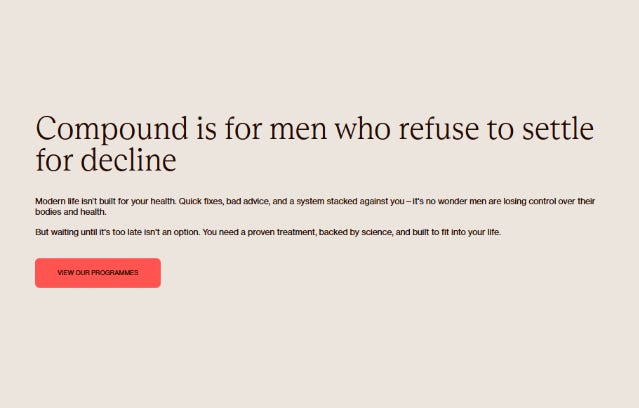
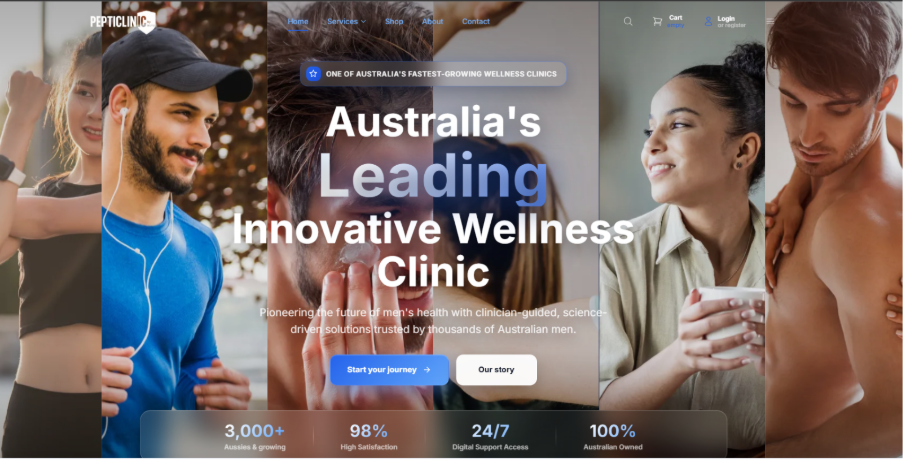
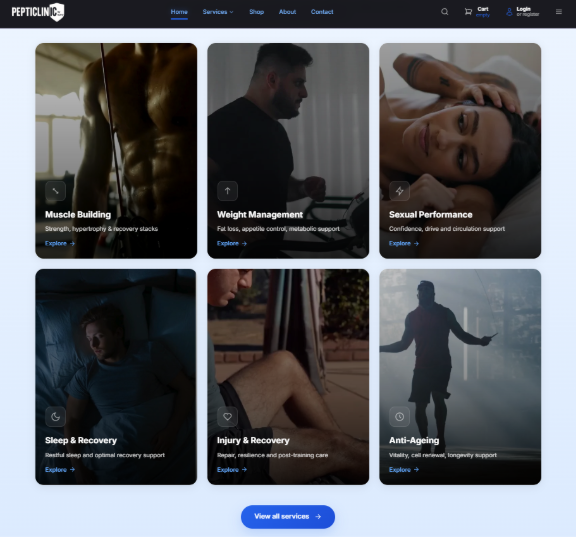
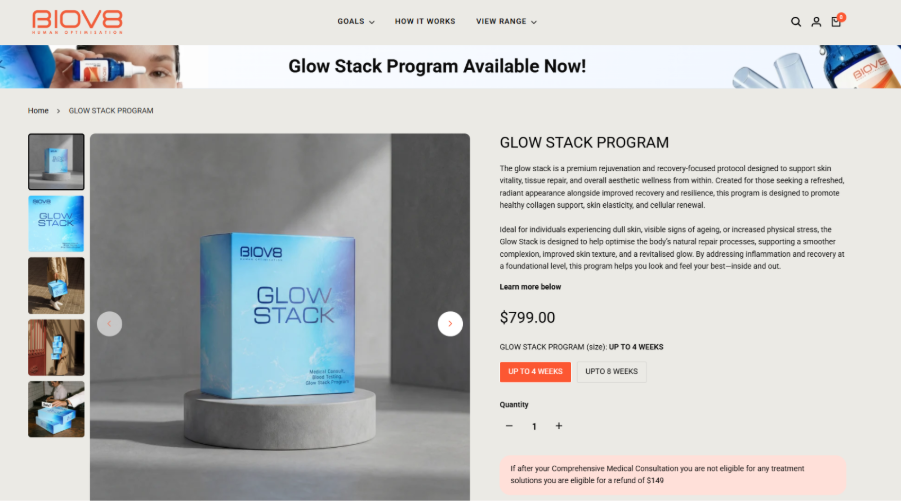
There are an abundance of examples to choose from here. Peptide websites branded as ‘centres for wellness’. Testosterone replacement therapy to “restore how you’re meant to feel”. Online prescribing clinics for men who “refuse to settle for decline.”
It’s true, today’s enhancement culture looks less like underground steroid markets and more like influencers, wellness culture, and digital entrepreneurs.

The role of digital platforms and the confused consumer
Why this gives me the irrits is that it makes it hard for people to make well informed choices about the substances they put into their bodies.
Yes, online healthcare platforms can play an important role in improving equitable access to healthcare, but there is a public need for that health care to be aligned with professional and ethical standards.
Just because these products are packaged like wellness products, doesn’t mean they stop behaving like pharmaceuticals. And these platforms can make that confusing.
Use of celebrity endorsements, testimonials, and digital marketing tactics like discounts and ‘lead magnets’ make the boundaries between supplements, wellness products, and pharmaceutical enhancements increasingly blurry.
But what could be worse than the confused consumer, is the consumer who is unaware of their blindspots. I don’t mean this to be condescending. I celebrate consumers as experts in their own experiences, and I’m all for moving medicine away from the patriarchal model that continues to dominate. But that doesn’t mean I think prescribing of medicine should be built on a “customer is always right” philosophy.
Quality prescribing involves more than just writing a prescription to unlock legal access – there’s a lot of decision-making that goes on behind the scenes. Part of this is having systems in place to actively manage cognitive biases, to ensure the right person gets the right dose of the right medication (or none at all).
Can an online prescribing platform with a business model built on customer lifetime value achieve this in the same way as the general practice within your community? I’m not so sure it can.
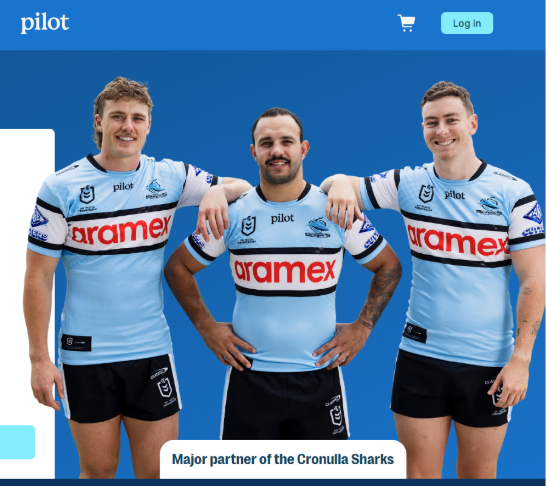
One thing’s for sure, the general practice (in Australia, anyway) would not be able to get away with advertising for business using celebrity endorsements and testimonials...there are laws against that.
Why the regulators are worried...about your safety
This gets me to why the regulators are worried about this new form of pharmaceutical marketing – because their role is to protect the public from harm. Misleading or unlawful advertising by recognised providers of health services is one aspect of that. Another more difficult aspect is managing the demand and supply of these products that occurs in the shadows of our healthcare system.
It’s pretty easy to access pharmaceutical products from an alternate supplier these days, but it’s not without risk.2 Most people are aware of the legal or financial risk involved – if a shipment gets seized at the border and you end up with a fine or just being out of pocket, it’s not that great. The risk that seems to be downplayed relates to the quality of the product itself.
I’ve written about this before in relation to regulations and Botox, but I think it’s worth briefly revisiting. Illegally obtained products are often counterfeit products. At best, these products contain inert substances, and you’ve merely wasted your money. At worst, they contain inaccurate quantities of active substances, or dangerous contaminants that can be harmful to your health. This risk is bigger when products are injected, because it bypasses your body’s defence system.
Which is where this normalisation of pharmaceutical enhancements can get dangerous - because it can create a level of public demand for these products that may not be able to be met via mainstream health services. And if the public underestimate the risk involved in using such products because they’re perceived as wellness products, well, that’s what can lead to harm.
The ‘wellnessification’ of enhancement
I’m not triggered into rant mode because athletes want another shot at glory and a decent pay packet. I’m trigerred, because for me, the Enhanced Games reflects a growing convergence of pharmaceutical enhancement, wellness culture, influencer marketing, and digital platform economies.
Pharmaceutical enhancement is increasingly being normalised through the language of optimisation and wellness.
The Enhanced Games may ultimately matter less because they challenge anti-doping rules, and more because they reveal how pharmaceutical enhancement is increasingly being reframed not as risky drug use, but as premium self-care and aspirational wellness.
Thanks for reading Lessons on Drugs. If you got something out of it, please click that like button, comment or share - it’s all greatly appreciated.
Normally I draw something to use as the artwork for the post, but I’m too revved up to get this published quickly…maybe I need some performance enhancing drugs to unlock another level ;)
Tadalafil is a viagra like drug that may be useful for those suffering erectile dysfunction from injecting testosterone…oh, and to give you more pump at the gym, sure.
TGA safety warnings reflect growing concern about the online promotion and supply of pharmacologically active enhancement products:
The world has gone mad. Really informative article. Thank you.
Great artical, pal! The older I get, the more I feel tempted by all this wellness shit, especially on days like yesterday where I injured myself at the gym (again!)
But deep down I know I don't need any of it.